

Buying a car is one of the biggest financial decisions most people make, and the debate around New vs Used Cars has never been more relevant. With rising vehicle prices, evolving technology, and shifting consumer priorities, choosing between a brand-new model and a pre-owned vehicle can feel overwhelming. Should you enjoy the peace of mind and modern features of a new car, or take advantage of the lower price and slower depreciation of a used one?
This guide breaks down the real costs, benefits, and trade-offs of new vs used cars in a way that helps you make a confident, informed decision. We’ll explore pricing, depreciation, reliability, financing, insurance, maintenance, and even resale value — all through the lens of what actually matters to today’s car buyers. Whether you’re buying your first car, upgrading your daily driver, or shopping with a tight budget, this article will help you decide which option truly fits your needs, not just your wants.
Cost Comparison — Upfront Price vs Long-Term Value
One of the most decisive factors in the New vs Used Cars debate is cost. At face value, the difference seems obvious: new cars cost more. But the real financial story is more nuanced.
Purchase Price and Hidden Costs
New cars typically come with a higher sticker price, dealer fees, destination charges, and sometimes mandatory add-ons. Even entry-level new vehicles can cost thousands more than their used counterparts. Used cars, on the other hand, often avoid these extras and allow buyers to negotiate more aggressively.
However, used cars may come with reconditioning costs, inspection fees, or immediate maintenance needs. Buyers often overlook these initial expenses, which can narrow the price gap more than expected.
Financing Differences
Interest rates for new cars are often lower due to manufacturer incentives. Used car loans usually carry higher interest rates, especially for older models. Over time, this can reduce or eliminate some of the upfront savings of buying used.
Many buyers focus solely on monthly payments, not total loan cost. A slightly higher payment on a new car can sometimes result in lower total spending due to better financing terms.
Depreciation — The Silent Budget Killer
Depreciation is where new cars lose the most ground in the New vs Used Cars comparison.
How Depreciation Impacts Ownership
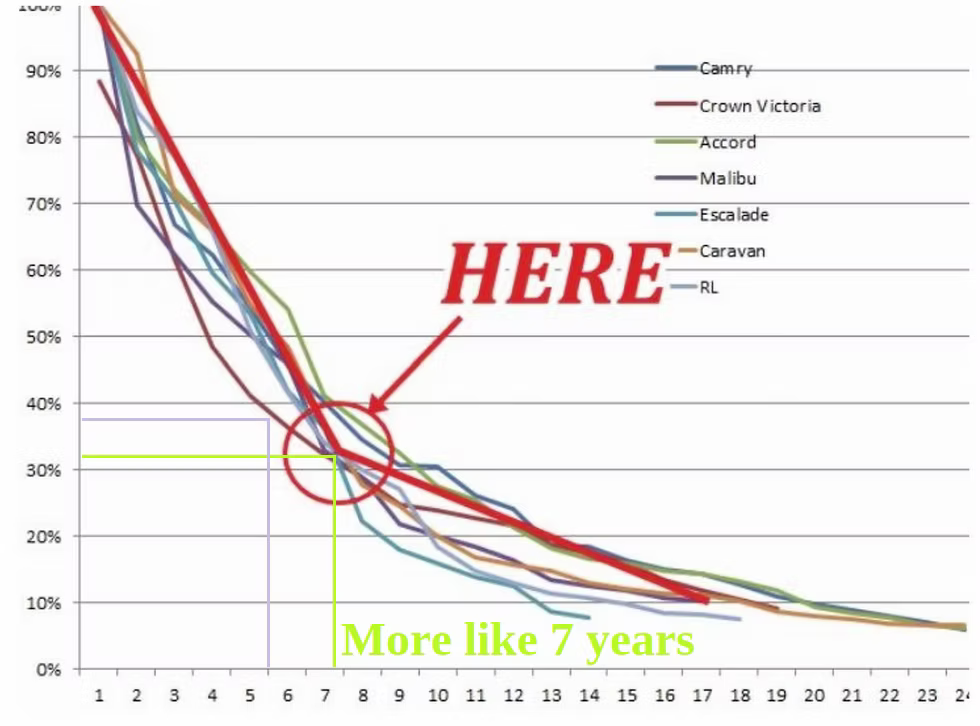
A new car typically loses 20–30% of its value in the first year alone. By year three, many vehicles have lost nearly half their original value. Used cars, especially those 2–4 years old, have already absorbed this depreciation hit.
Smart Depreciation Strategy
Buying a lightly used car allows you to enjoy modern features without paying the “new car premium.” This is why certified pre-owned vehicles are so popular among value-focused buyers.
Depreciation isn’t uniform. Some brands and models hold value far better than others. Understanding resale trends can make a new car purchase more financially sensible in select cases.

Reliability, Maintenance, and Peace of Mind
Reliability is often cited as a reason to buy new — but the gap is smaller than most buyers assume.
New Car Reliability
New cars come with full factory warranties, predictable maintenance schedules, and the reassurance that no one else has driven the vehicle. Unexpected repairs are rare in the first few years, which appeals to risk-averse buyers.
Used Car Reliability Today
Modern cars are built to last longer than ever. Many vehicles easily exceed 150,000 miles with proper maintenance. A well-documented used car can be just as dependable as a new one — sometimes more so, as early manufacturing defects may already be resolved.
Reliability depends more on maintenance history than age. A properly maintained used car often outperforms a neglected new one.
Technology, Safety, and Features
Technology is where new cars clearly shine — but used cars are catching up fast.
Advantages of Buying New
New cars offer the latest:
- Advanced driver-assistance systems
- Infotainment upgrades
- Fuel efficiency improvements
- Smartphone integration
These features improve safety and daily driving comfort, especially for commuters and families.
Used Cars Aren’t Outdated Anymore
Cars from just a few years ago often include features once considered cutting-edge. Many buyers don’t need the newest tech to enjoy a safe, comfortable ride.
Technology ages faster than mechanical components. Buying used allows you to avoid paying a premium for features that may feel outdated in just a few years.
Insurance, Taxes, and Ownership Costs
Beyond the purchase price, ownership costs heavily influence the New vs Used Cars decision.
Insurance Costs
New cars typically cost more to insure due to higher replacement values. Used cars usually have lower premiums, especially if comprehensive coverage is optional.
Taxes and Fees
Sales taxes and registration fees are often tied to vehicle value. This means new car buyers usually pay more upfront and annually.
Lower insurance and tax costs can make used cars significantly cheaper to own over time, even if repair costs are slightly higher.
Resale Value and Exit Strategy
Thinking about resale before you buy is a smart move.
Selling a New Car
New car owners absorb the biggest depreciation hit. Selling too soon can result in negative equity.
Used Car Resale Advantage
Used cars often retain a higher percentage of their purchase price, especially if bought after initial depreciation.
If you plan to switch cars frequently, used vehicles almost always make more financial sense.
Quick Takeaways
- New cars offer warranties, latest tech, and peace of mind but depreciate quickly
- Used cars provide better value and lower ownership costs when chosen carefully
- Financing terms can narrow the price gap between new and used vehicles
- Depreciation favors used cars, especially for short-term ownership
- Reliability depends more on maintenance history than vehicle age
- Insurance and taxes are typically lower for used cars
- Your lifestyle and budget should guide the final decision
Buying a car isn’t about choosing the “better” option — it’s about choosing the right one. The New vs Used Cars debate ultimately comes down to priorities. New cars deliver confidence, modern features, and predictable ownership, but they come at a higher cost and faster depreciation. Used cars offer flexibility, affordability, and better long-term value, especially for buyers willing to research and inspect carefully.
If you value cutting-edge technology, warranty coverage, and stress-free ownership, a new car may be worth the premium. If maximizing value, minimizing depreciation, and lowering monthly expenses matter more, a used car is often the smarter financial move. The best decision aligns your budget with how long you plan to own the vehicle, how you drive, and what features truly matter to you.
Frequently Asked Questions
- Is it better to buy a new or used car financially?
Used cars usually offer better financial value due to lower depreciation and ownership costs, especially for short-term ownership. - How old should a used car be to get the best value?
Cars that are 2–4 years old often provide the best balance between price, reliability, and modern features. - Do new cars cost less to maintain?
In the short term, yes — but long-term ownership costs often favor used vehicles due to lower depreciation. - Is financing a used car harder than a new one?
Used car loans may have higher interest rates, but strong credit can still secure competitive terms. - Which holds value better: new or used cars?
Used cars generally retain a higher percentage of their purchase price over time.
Thanks for reading!
Did you choose new or used for your last car purchase — and would you do it the same way again? Share your experience and help other car buyers make smarter decisions. 🚗


